Graffiti Fonts: 12 Styles to Generate Free
Explore 12 graffiti fonts with real examples—bubble, wildstyle, stencil, drip and more. Learn what each style is for, then generate your own graffiti text free.
People search for graffiti fonts for one of two reasons. You saw a piece of street art and want to name the letterstyle, or you have a word—a name, a tag, a crew call sign—and you want it to look like it was painted on a wall. This guide covers both. Below you will find the 12 graffiti font styles we render in the GraffForge engine, each with a real example image, a note on when to use it, and a three-step way to generate your own text in any of them for free.
What "graffiti fonts" actually means
Ask ten writers what a graffiti font is and you will get eleven answers, because graffiti lettering is not one typeface. It is a family of hand-built letterstyles, each with its own rules about weight, spacing, and how far a letter may bend before it breaks. When shops sell "graffiti fonts" as downloadable files, they usually capture one frozen style. A generator works differently: it rebuilds the letterforms from your exact text, so the spacing and connections match the word you actually typed.
That difference matters. Graffiti is word-shaped art. The same style stretched over MARGARET behaves nothing like it does over RUN. This is why we built GraffForge around generation instead of font files, and why every example below was produced from real words, not edited stock art.
Here are the 12 styles. If you want to compare them side by side on one screen, our graffiti styles page renders all of them with your own preview text.
1. Bubble letters
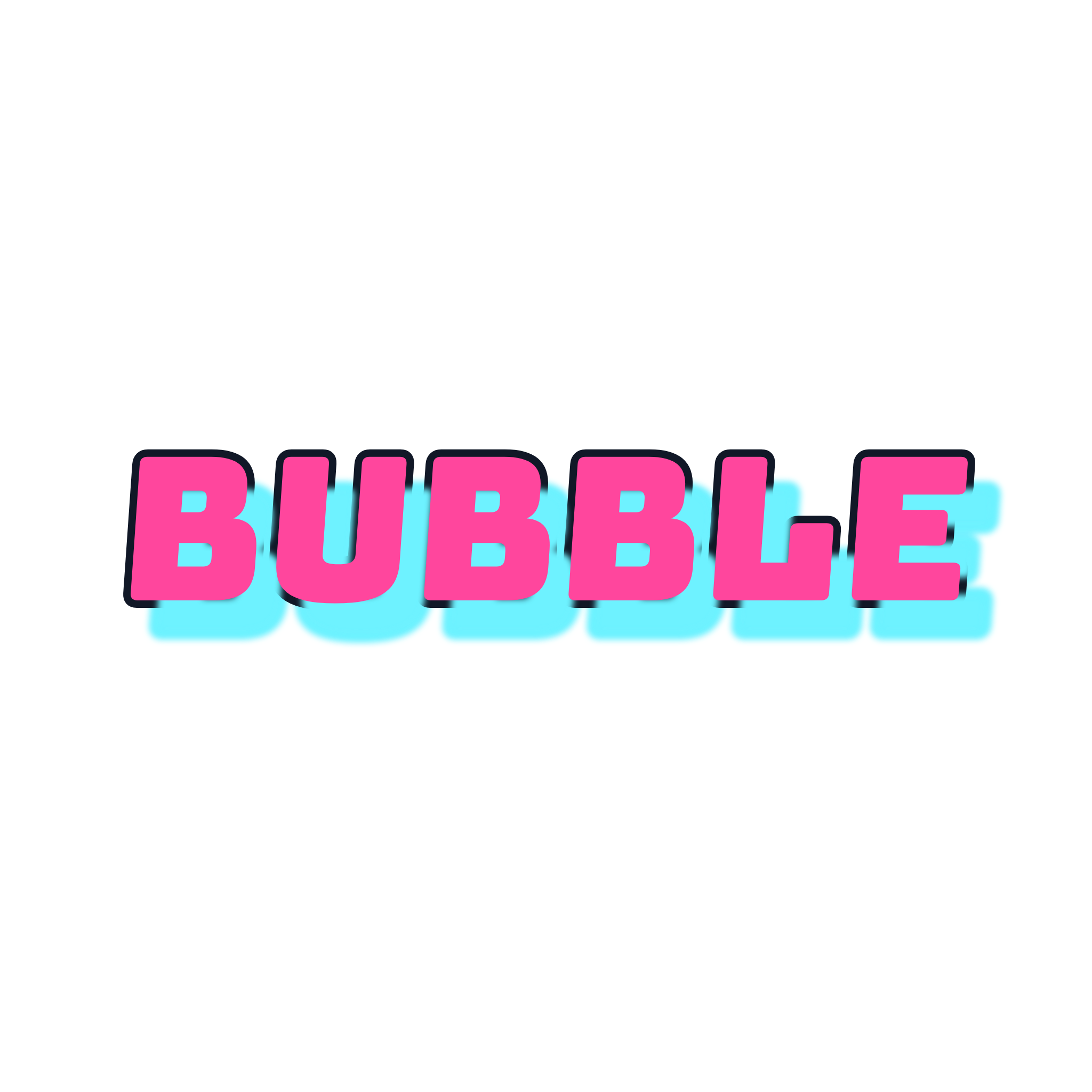
Bubble is the most requested graffiti font style in the world, and the best one to start with. Letters are drawn as fat, rounded balloons with a fat outline, so every word stays readable even at small sizes. Bubble works for names on notebook covers, logo sketches, and anywhere fun beats menace. The classic advice holds: keep the counters (the holes in A, B, O) open, or the word turns into soup.
2. Block letters
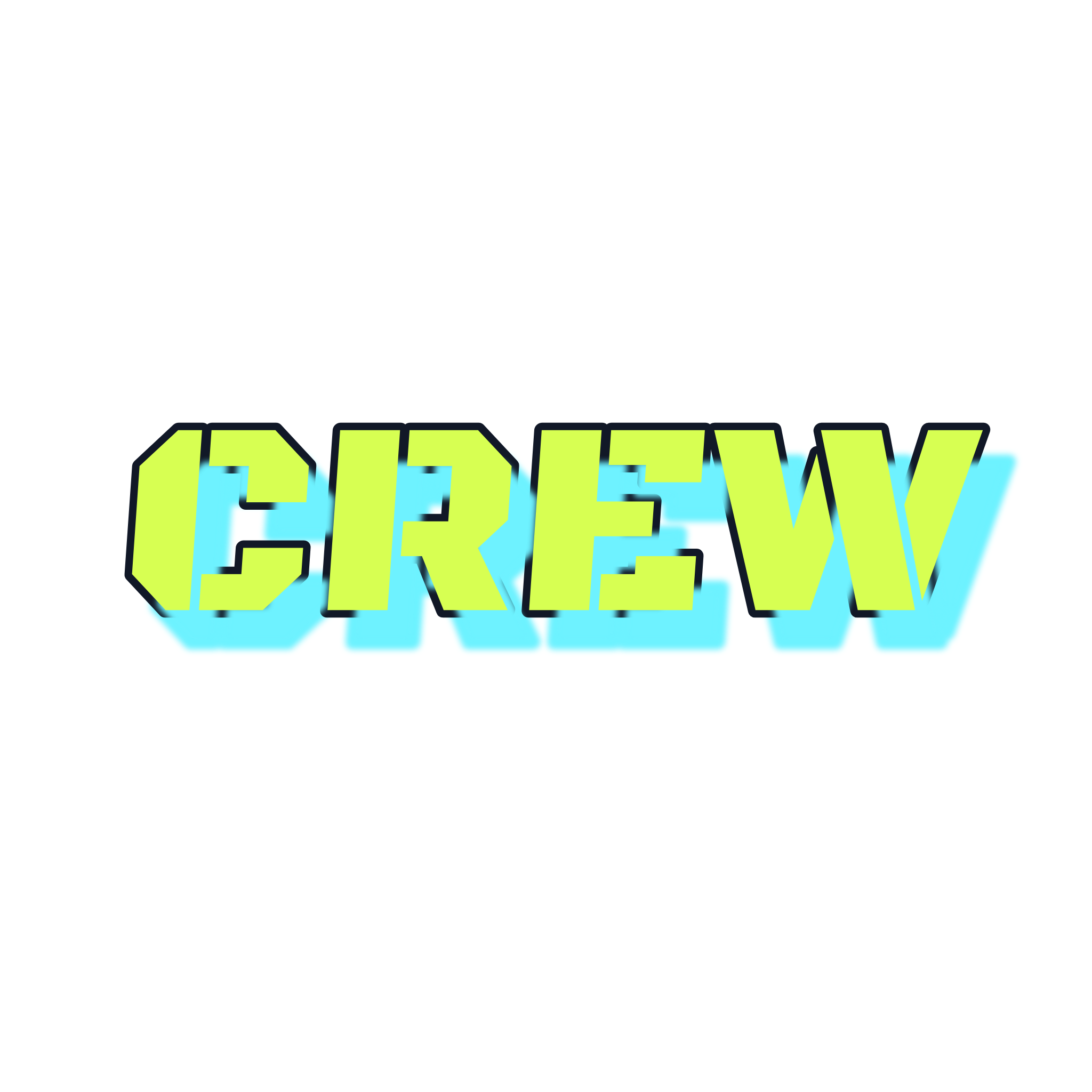
Block style is bubble's squared-off cousin. Straight edges, even widths, and zero decoration make it the most legible entry in the whole graffiti fonts family. Use block when the message matters more than the flourish: banner text, shirt prints, or a first sketch of a piece you plan to paint. Many writers block out a word first, then mutate it into wilder styles.
3. Wildstyle
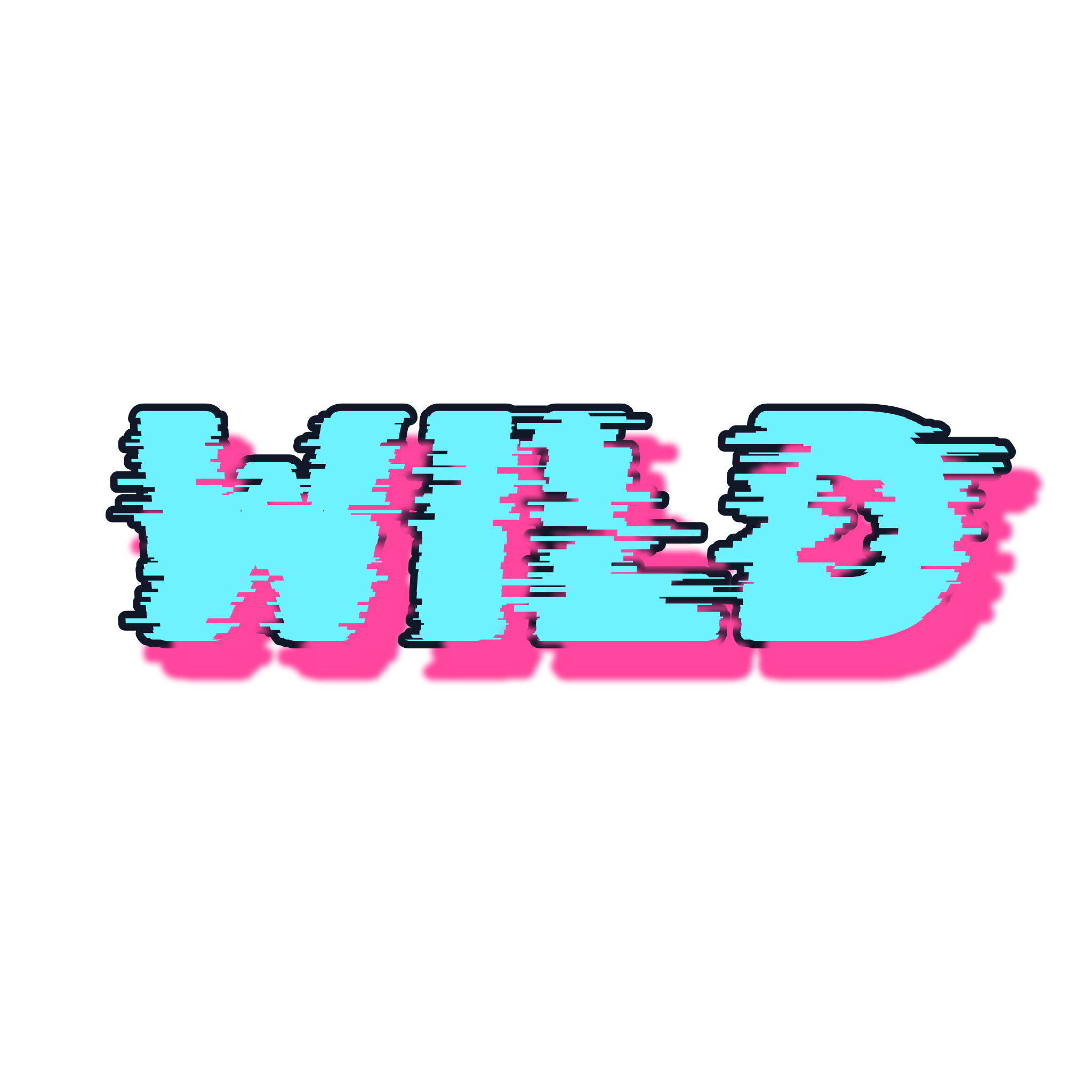
Wildstyle is where graffiti stops being handwriting and starts being architecture. Letters interlock, lean, and grow arrows and spikes until only the initiated can read the word. It is the loudest style and the hardest to keep under control: every added spur must steal space from readability. Wildstyle rewards long words and big walls. To see how far you can push it before the word drowns, try wildstyle graffiti with your own text.
4. Throw-up
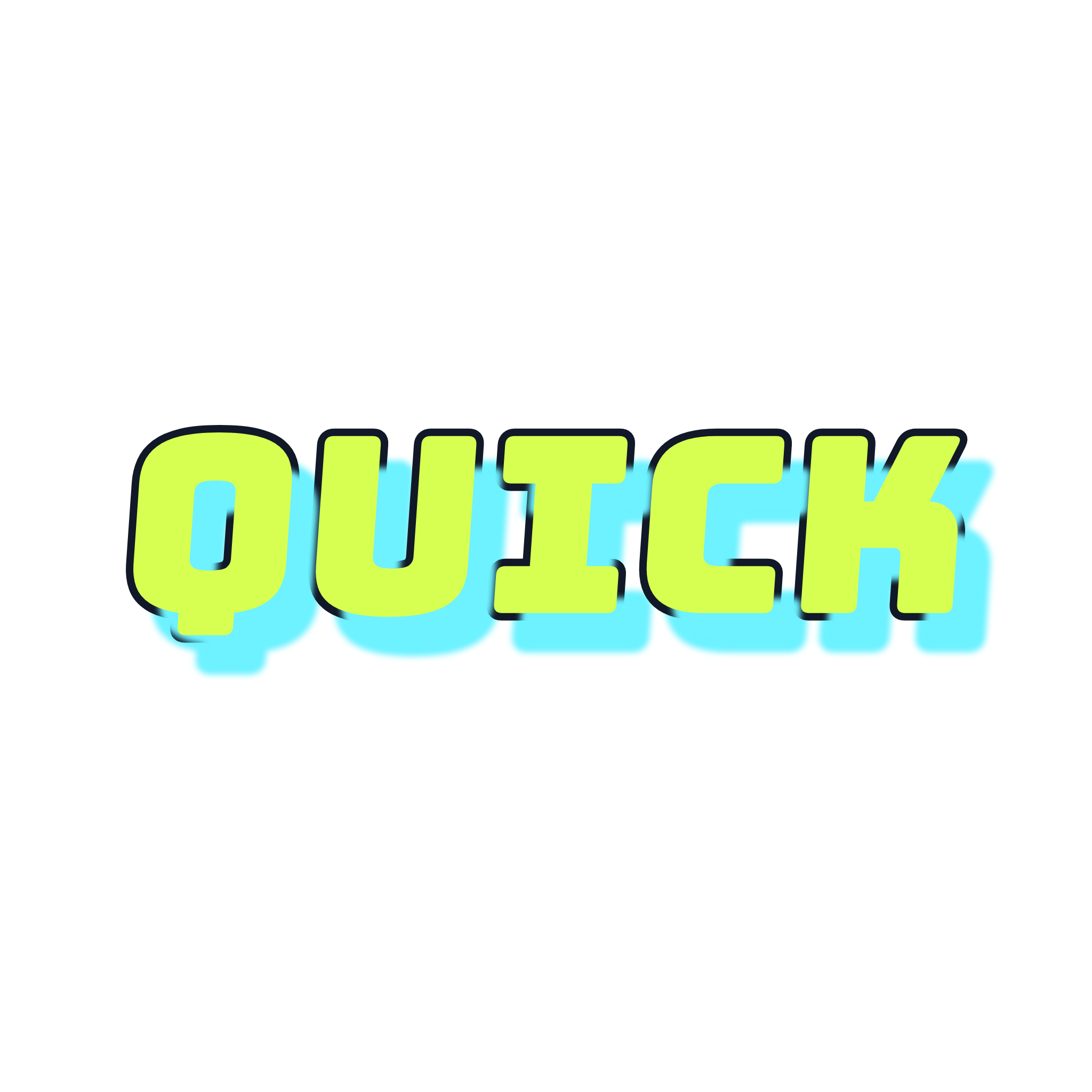
A throw-up is a fast, rounded, two-color word built for speed: outline in one pass, fill in another. The letterforms are simplified almost to skeletons. As a graffiti font style it reads casual and confident, which is why it suits stickers, avatar text, and anything that should look sprayed rather than drawn.
5. Drip
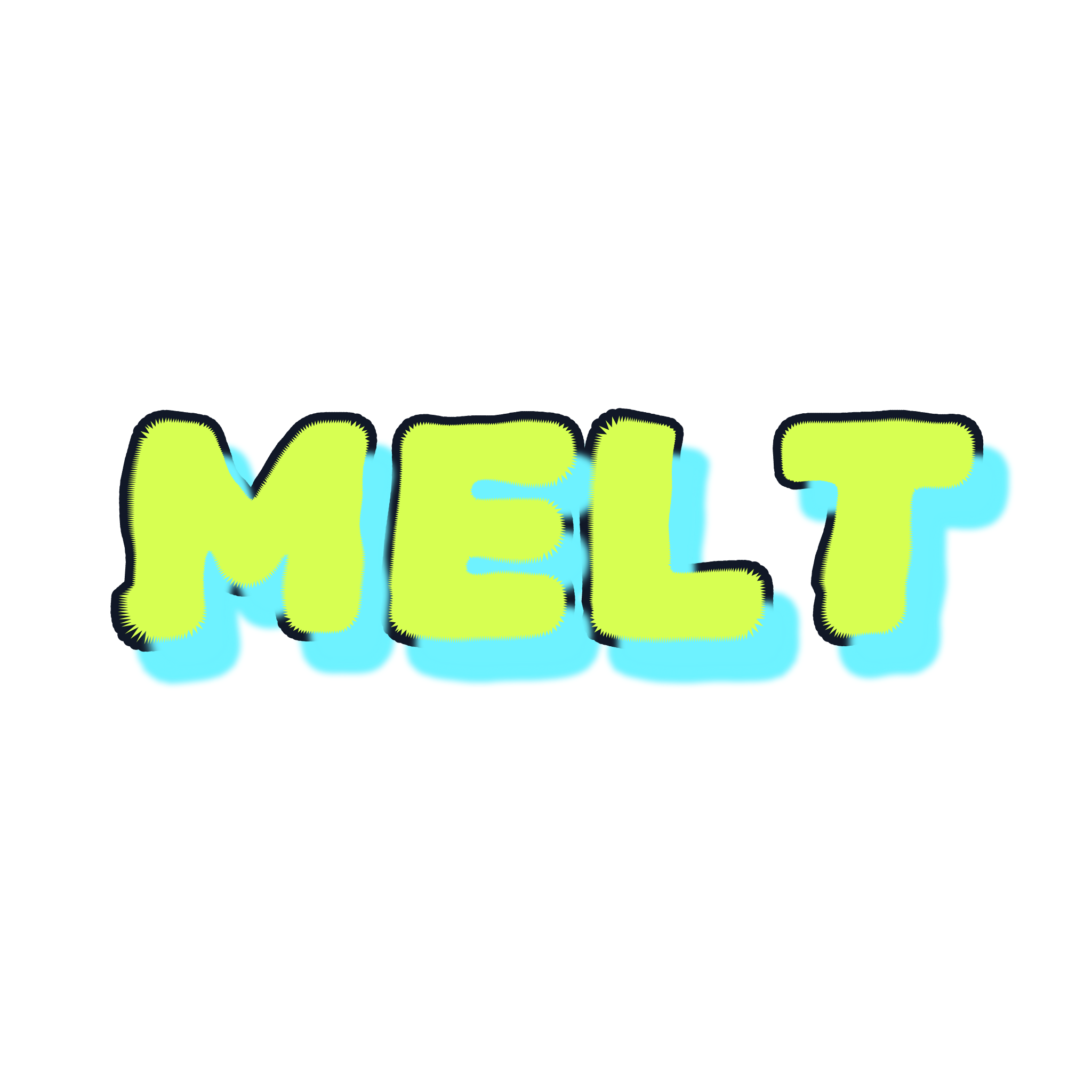
Drip adds the one detail everybody associates with wet paint: runs falling off the bottom of each letter. The drips carry the whole mood, so the base letters stay simple and rounded. Drip is a natural fit for apparel and poster art. Go easy on drip density—when every letter bleeds, the word gets shorter on the page than in your head.
6. Handstyle (tag)
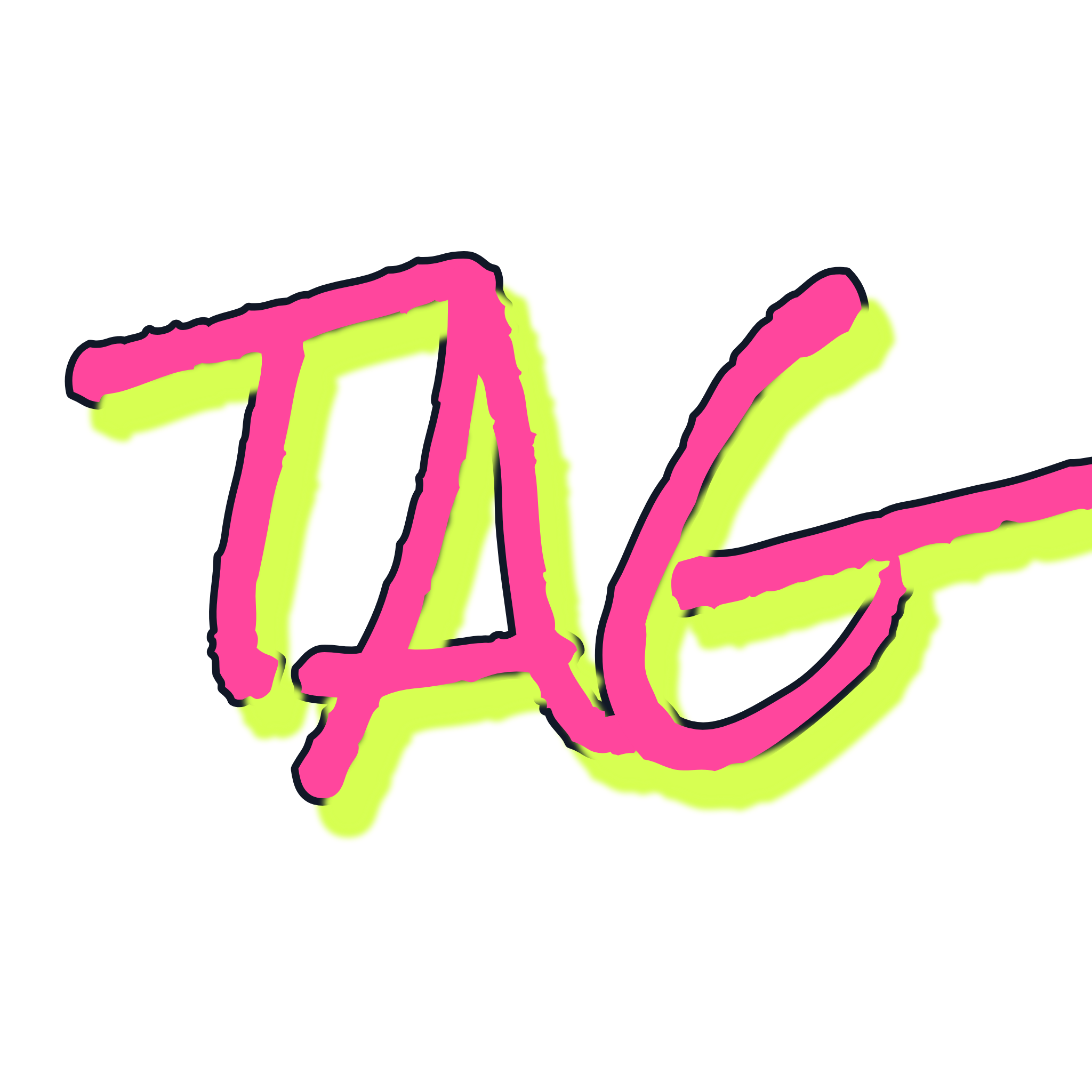
The handstyle is a tag: one fluid calligraphic line, drawn the way a writer's hand actually moves. It is the most personal of all graffiti fonts, because two people tagging the same word produce different letters. Handstyles are usually one color and read fast. Use one as a signature, not as body text.
7. Marker
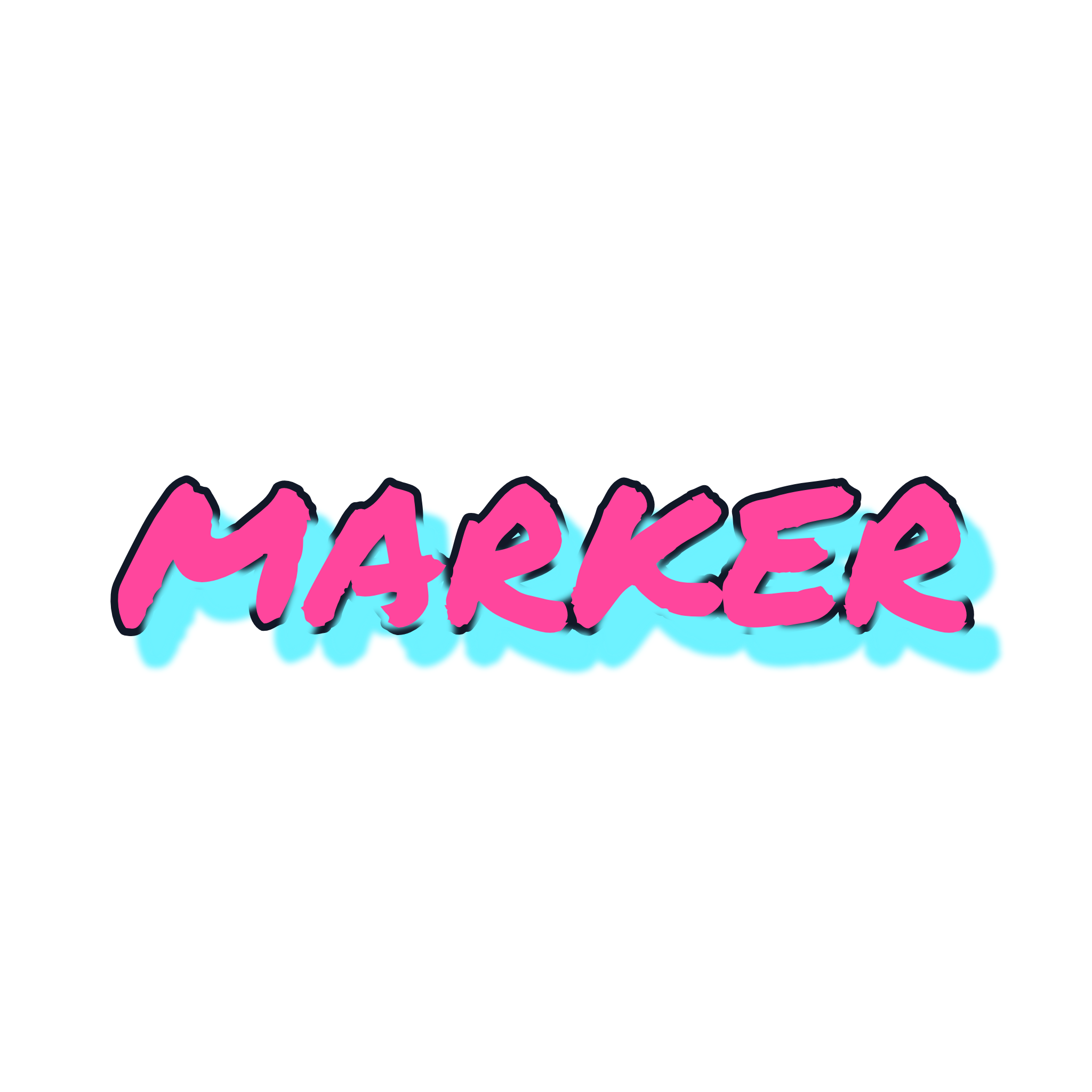
Marker style imitates the chisel tip of an ink marker: flat strokes, sharp turns, slight bleed at the edges. It sits between handstyle and block, which makes it one of the most versatile graffiti font styles for digital use—sketch headers, tattoo drafts, Discord banners, anywhere you want ink without spray texture.
8. Stencil
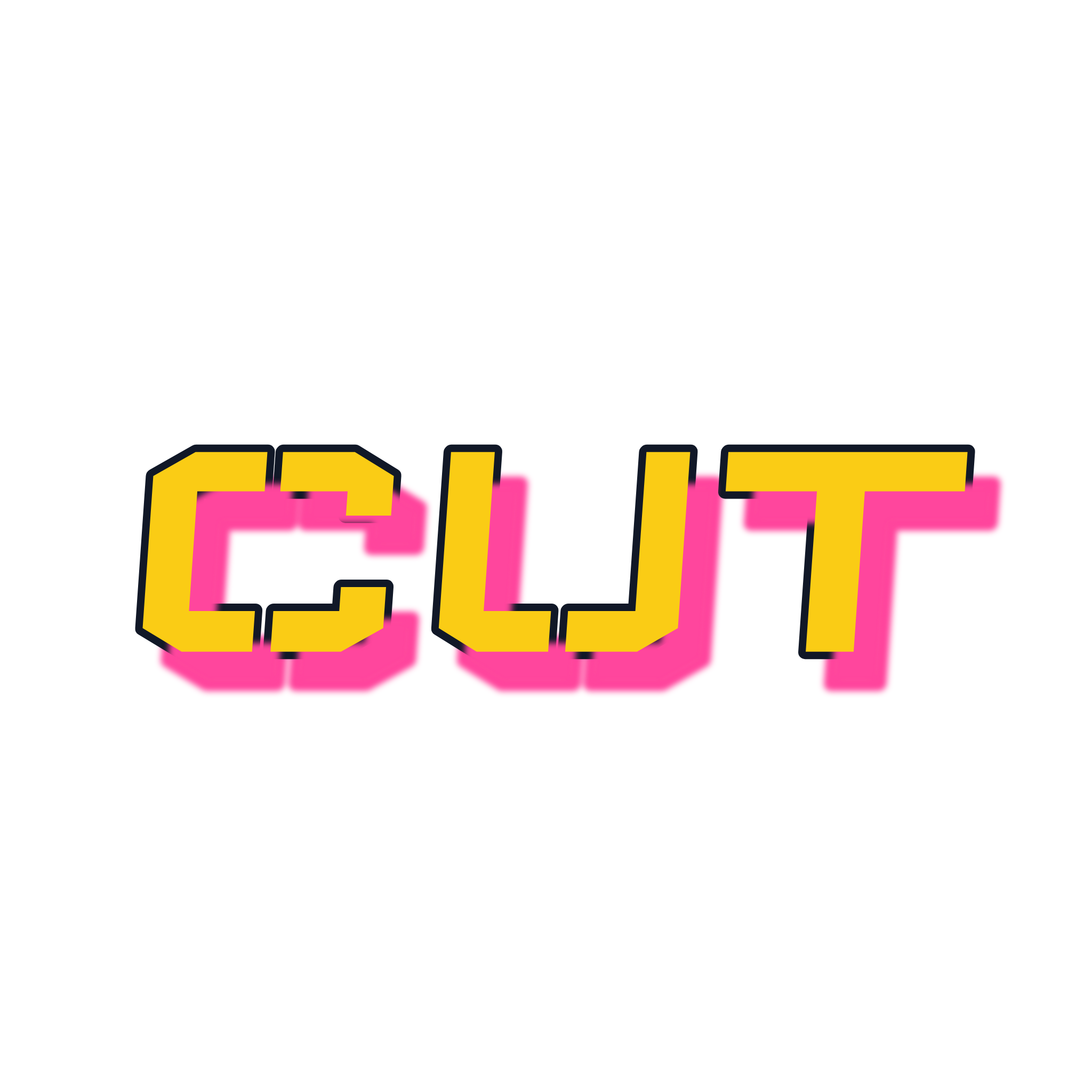
Stencil letters are cut from one sheet, so every closed shape needs a bridge to hold the island in place. Those bridges give the style its military, utilitarian voice, borrowed from Banksy-era street art. Stencil is the go-to graffiti font for protest posters, crate markings, and clean two-color wall mockups.
9. 3D blockbusters
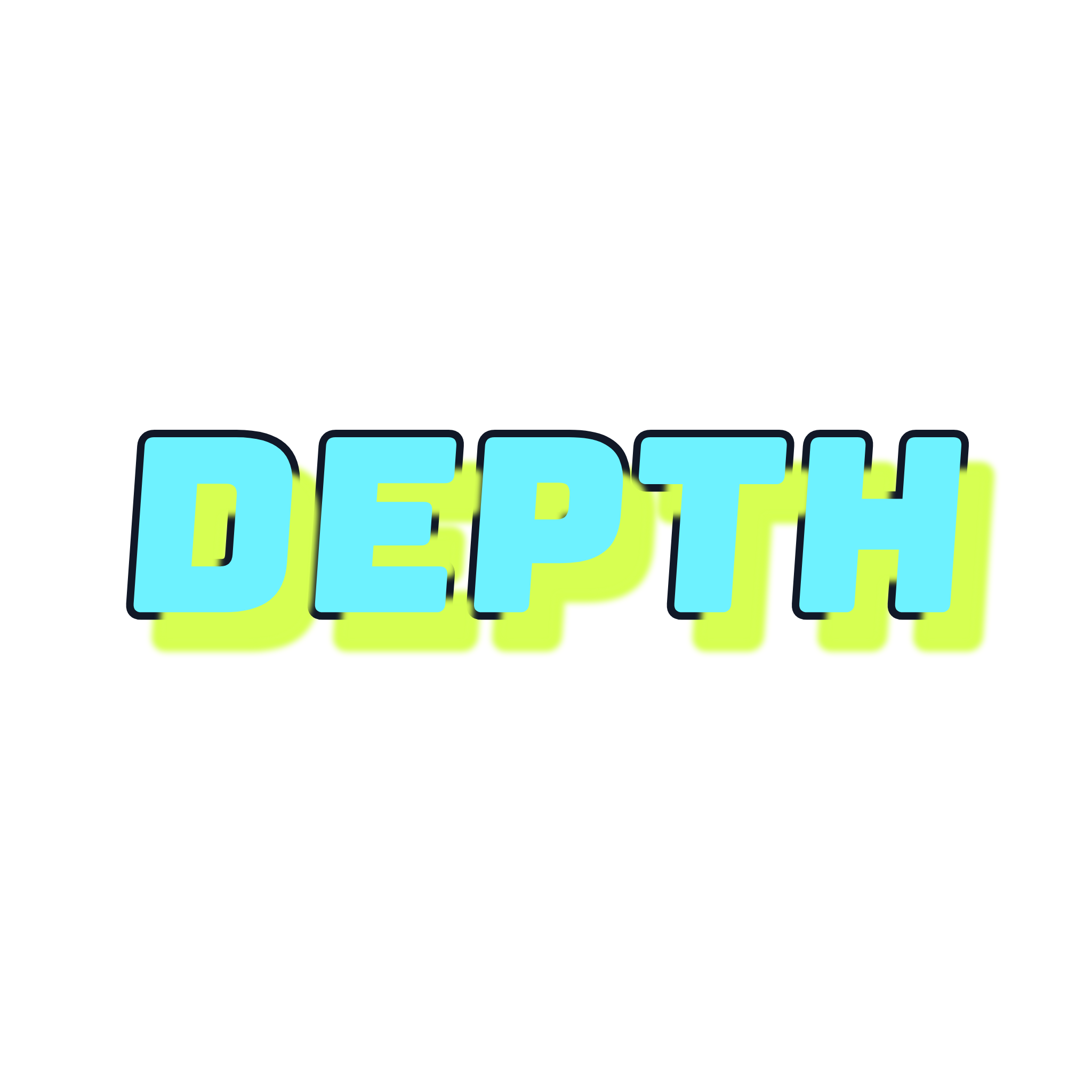
The 3D style extrudes each letter into a solid you could sit on. Depth is usually drawn to one consistent vanishing direction, with a hard side shadow. As a graffiti font it creates instant weight—ideal for logos and cover art. Keep extrusion short on long words, or the word grows a second word's worth of shadow.
10. Neon
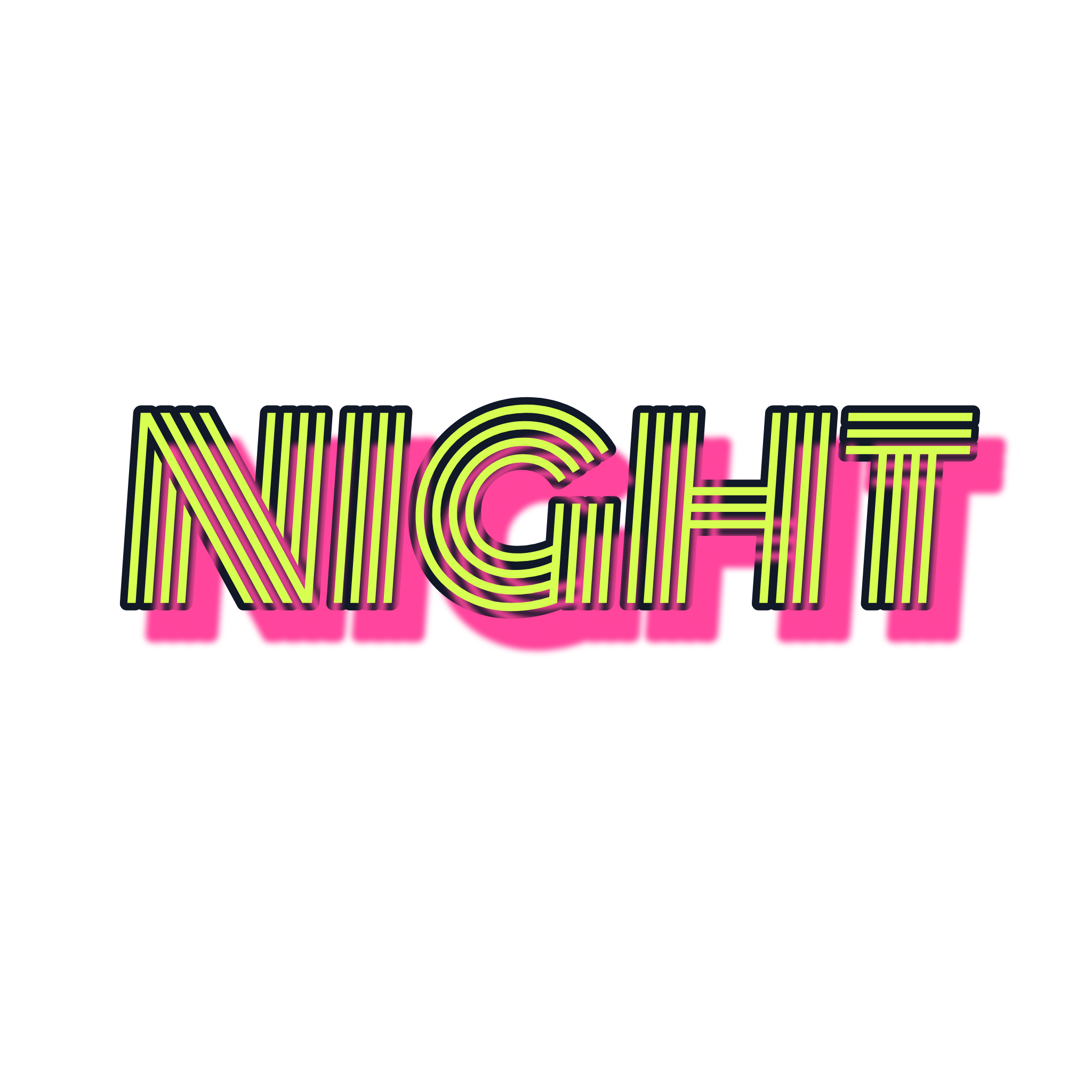
Neon is graffiti seen through a shop window at 2 a.m.: thin tube letters with a colored glow and a dark wall behind them. Because the light does the talking, letterforms stay simple. Neon graffiti fonts suit music artwork, stream overlays, and any project that wants street energy after dark.
11. Sticker
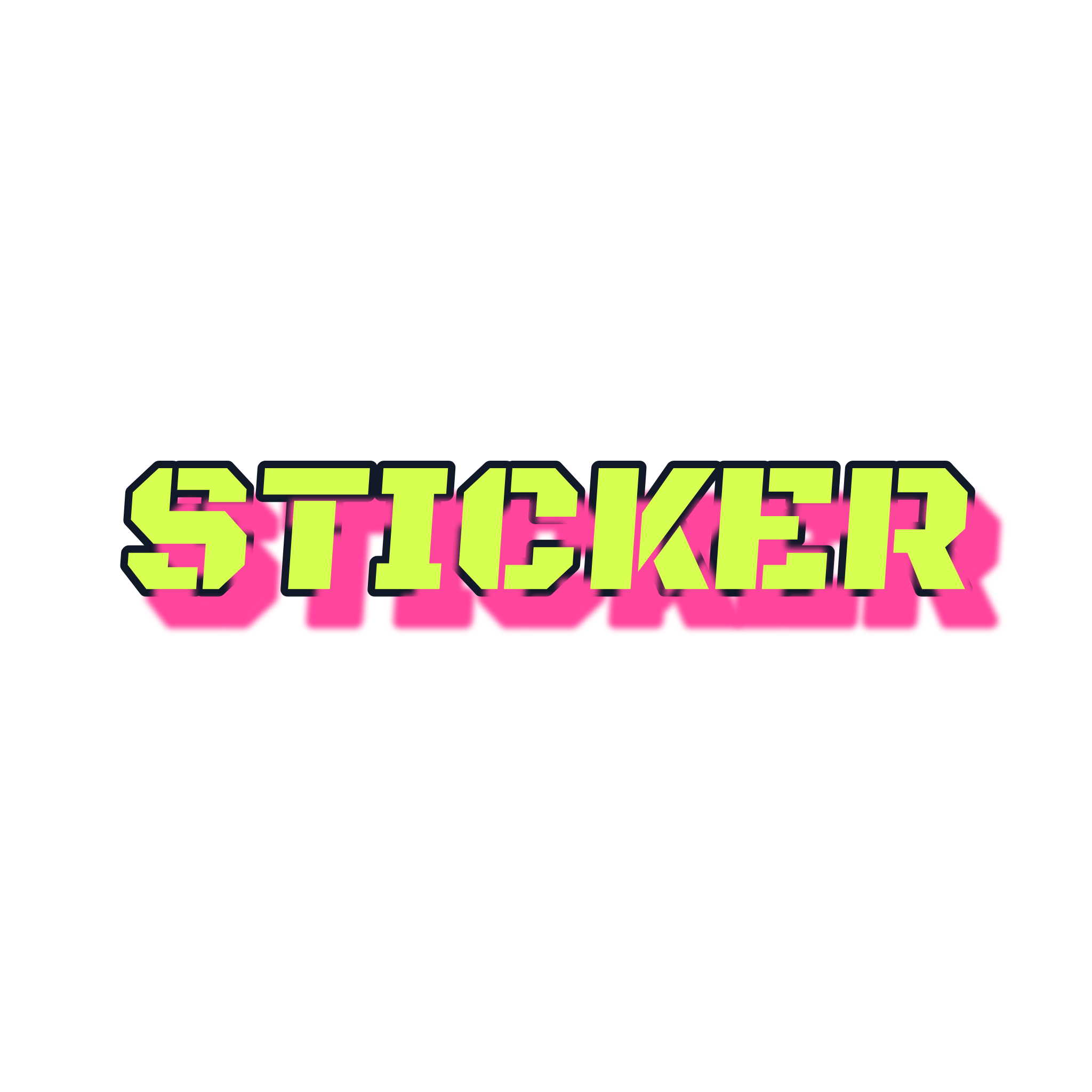
Sticker style wraps a word in a die-cut border, like a slaps collection on a lamppost. The border creates separation from any background, which makes sticker text the safest graffiti font style to drop onto photos and busy designs.
12. Pixel
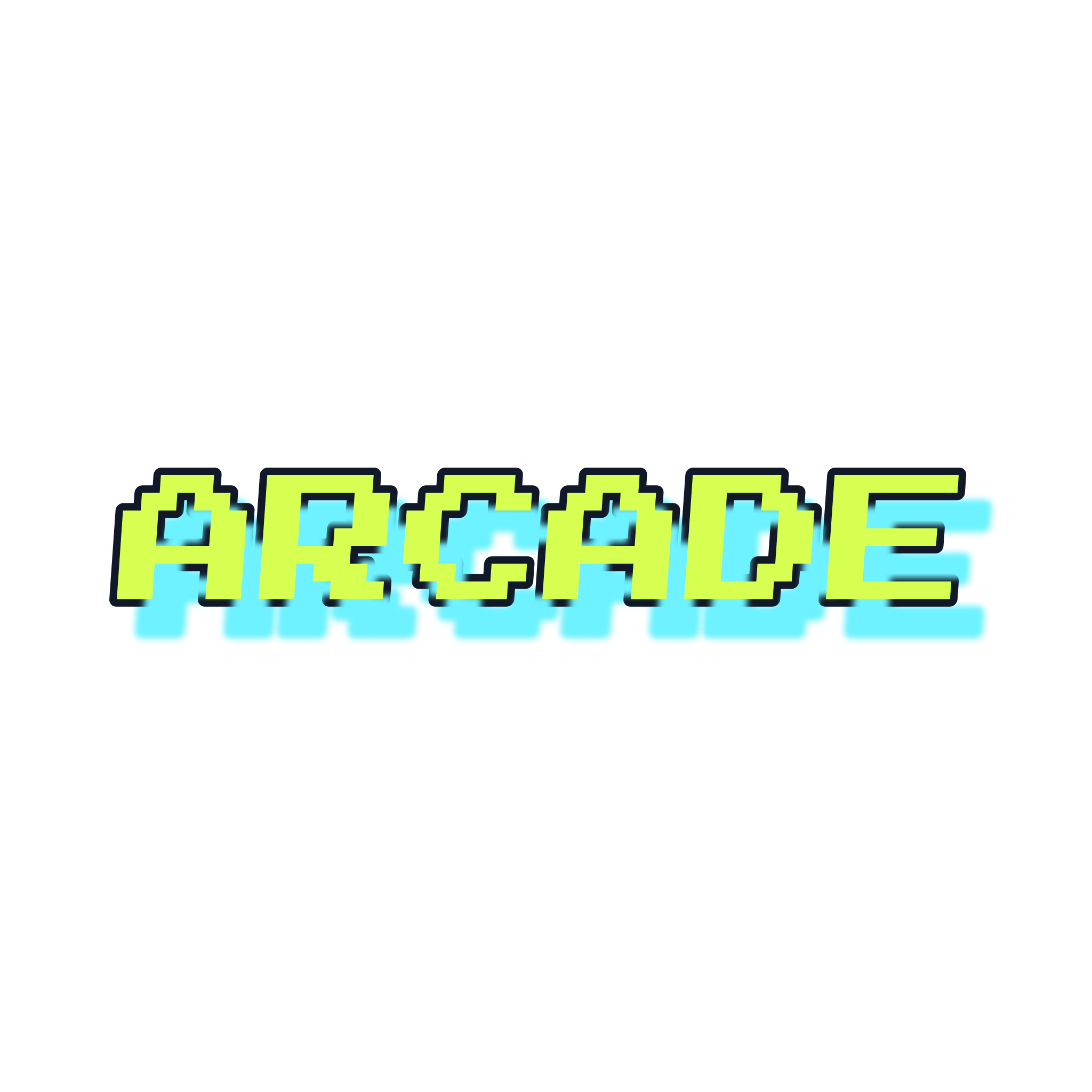
Pixel builds letters from visible squares, the way early arcade games had to. It borrows graffiti attitude and renders it in 8-bit rules: hard edges, no curves, no anti-aliasing. Use pixel graffiti fonts for game UI, retro thumbnails, and anything that wants nostalgia more than menace.
Generate your own graffiti font text in 3 steps
Every style above came out of our free graffiti font generator, and yours can too.
- Type your word. Open the generator and enter any text—a name, a tag, a crew word. The letters are rebuilt for your exact word, so spacing always fits.
- Pick a style and tune it. Choose one of the 12 styles, then adjust colors, outline, and background until it feels right.
- Export the PNG. Download a high-resolution PNG up to 2048 pixels, transparent background included, ready for print or profile use.
That is the whole workflow. No downloads, no font installation, no vector cleanup. If you also want a full street-art scene around the word—wall, characters, lighting—that is what the AI mode on the same page does.
Why not just download or copy-paste graffiti fonts?
Three shortcuts dominate the search results, and each has a catch worth knowing.
Canva. Design tools ship a handful of brushy display fonts labeled "graffiti." They look painted but behave like ordinary type: fixed spacing, no letter connections, and the same look for every user. Fine for a quick poster, weak if you want authentic letterforms.
DaFont and font sites. Downloadable graffiti font files are frozen outlines. Install one and every word you type gets the exact same letter shapes, because that is what a font file is. Check the license too—many are free for personal use only.
"Copy and paste" fonts. Those shiny results are Unicode symbol substitutions, not graffiti lettering, and they break screen readers and search engines. Our copy and paste graffiti fonts guide shows the difference and the safe way to share styled text.
A generator sidesteps all three: you get real letterforms rebuilt per word, personal and commercial use allowed on browser-tool exports, and no installation at all.
FAQ
What font do graffiti artists actually use? None. Graffiti lettering is drawn, not typed. Professional writers build each piece by hand, and styles like handstyle exist precisely because every writer's hand differs. Graffiti fonts approximate those letterstyles so the rest of us can type in them.
Which graffiti font style is easiest to read? Block, then bubble. Both keep letter shapes plain and evenly spaced. Wildstyle sits at the other end of the scale: maximum style, minimum readability for strangers.
Are graffiti fonts free to use commercially? Depends on where they come from. On GraffForge, PNGs you export from the browser tools are free for personal and commercial projects—see the license page for the exact terms. AI-generated scenes follow a different rule: Free and Standard accounts are for personal use, and Premium adds commercial rights. Fonts downloaded elsewhere follow that site's license, which is often personal-use only.
How do I put my name in a graffiti font? Type your name into the graffiti name generator, pick a style, and export. Short names (3–6 letters) hold their shape best in complex styles like wildstyle.
What is the most popular graffiti font style? Bubble, by a wide margin, based on what people search for and generate. It was the first style most writers learned, and it remains the friendliest entry point.
Your word, on a wall
Graffiti fonts are not files to install; they are letterstyles to rebuild around your word. You now know the 12 styles, what each one says, and where each one breaks. Pick a word and generate it—free, no signup walls in the way.